Source cultured frozen whole octopus for sushi, grilling, and stews
Explore 30 listings for cultured frozen whole octopus from global suppliers. Compare specifications including size, packaging, and freezing methods to find the best fit for your seafood needs.
Key considerations
Products List


Comprehensive Sourcing Guide
Sourcing Guide for Cultured Frozen Whole Octopus
Understanding Product Specifications and Attributes
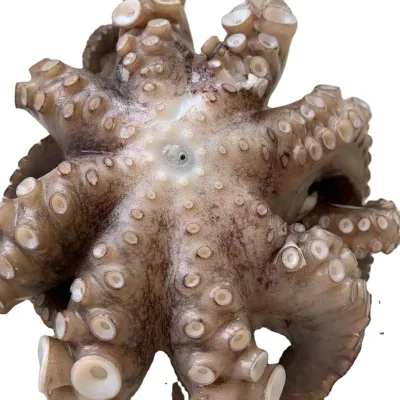
When sourcing cultured frozen whole octopus, buyers must first establish a clear baseline of technical specifications that define the product's physical and chemical characteristics. The core keyword implies a product that is not wild-caught but rather derived from cultured resources, a distinction that influences supply chain transparency and sustainability profiles. Based on available market data, the product is frequently identified by its Latin name, Octopus Vulgaris, and is categorized under the broader variety of octopus. The physical form is consistently described as "whole," indicating that the cephalopod is processed without disassembly into parts, maintaining its natural structure from head to tentacles.
Size specifications are a critical variable in this category. Market observations indicate a typical size range of 10 to 20 centimeters, though specifications can vary from 1kg up to larger units depending on the specific lot. The shape is generally categorized as "piece" or "whole," and the product is often graded as AAAA, suggesting a high standard of visual quality and uniformity. Moisture content is another vital parameter; observed data points to a maximum moisture level of 10%, which is essential for calculating net weight and ensuring the product is not water-heavy. The texture and taste are described as "tasty," and the product is noted for being "100% pure," implying the absence of non-octopus fillers or artificial additives beyond water, which is the only additive frequently listed in processing records.
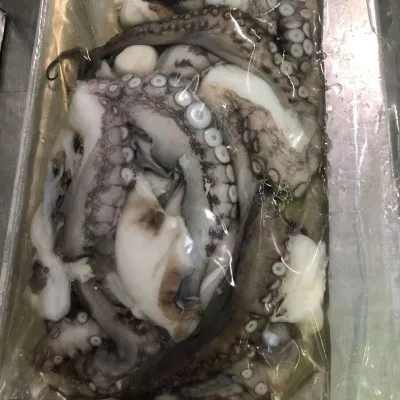
Packaging configurations vary significantly to accommodate different logistics needs. Common formats include vacuum packs, bulk boxes, and bags, with specific carton weights often standardized at 10kg per carton. Some listings also mention 5kg bulk options or 500g bags within a larger 20-bag configuration. The storage requirements are stringent, necessitating a cold storage environment at temperatures below -18°C to maintain the frozen state. The shelf life is typically reported as 24 months, providing a substantial window for inventory management and distribution, though some sources note a minimum of 12 months.
Compliance, Certification, and Regulatory Standards
Navigating the regulatory landscape for frozen seafood requires rigorous verification of certifications and compliance standards. The primary certification observed in this sector is HACCP (Hazard Analysis and Critical Control Points), which is a systematic preventive approach to food safety. This certification is crucial for buyers operating in markets with strict food safety regulations, as it demonstrates that the manufacturer has identified potential hazards and implemented controls to mitigate them. However, buyers must verify that the specific supplier holds a valid, current HACCP certificate, as the presence of the keyword does not guarantee compliance for every listing.
Beyond HACCP, the processing methods used can impact regulatory acceptance. The freezing process is a key differentiator, with Liquid Quick Freezing (LQF) and Individual Quick Freezing (IQF) being the standard technologies observed. LQF is often preferred for whole products to ensure rapid freezing that preserves cell structure and texture, while IQF is common for smaller pieces. The preservation process is noted as involving water, which aligns with the additive list, but buyers must ensure that the water used meets drinking water standards and that the glazing or water content does not exceed declared limits.
Origin verification is another compliance pillar. While some data points to Indonesia, specifically Bali, as a place of origin, other records indicate production in China. This discrepancy highlights the need for buyers to demand specific Country of Origin (COO) documentation for every shipment. The distinction between "cultured" and "wild" is also a compliance factor; some listings explicitly state the resource is "cultured," while others may use broader terms like "fresh water products" which can be misleading for marine species. Buyers should require documentation proving the cultured status to ensure alignment with sustainability claims and labeling laws in their target markets.
Cost Drivers and Pricing Dynamics
The pricing structure for cultured frozen whole octopus is influenced by a complex interplay of factors, including size, grade, processing method, and order volume. The observed price range in the market is vast, spanning from $4 to $4,500 per unit or lot. This wide variance is not indicative of a single product but rather reflects the difference between small sample units and large container loads. For bulk procurement, the price is heavily dependent on the Minimum Order Quantity (MOQ). Data indicates an MOQ range from 1 unit up to 15,000 units, with specific listings showing a requirement of 10 metric tons (MT) or even a full 40-foot container (1*40fcl) for certain suppliers.
The cost per kilogram is often more relevant than the total lot price for budgeting. Larger sizes (10-20cm) and higher grades (AAAA) command premium pricing due to their scarcity and superior visual appeal. The processing method also adds cost; LQF and IQF technologies require significant energy and capital investment, which is passed on to the buyer. Additionally, the "cultured" aspect may introduce a cost premium if the farming operations are certified sustainable or if the feed and husbandry practices are more expensive than wild harvesting.
Packaging costs are another variable. While 10kg cartons are standard, specialized packaging such as vacuum packs or custom-branded boxes will increase the unit cost. Buyers should also consider the impact of storage and logistics; products requiring strict temperature control below -18°C throughout the supply chain incur higher freight and insurance costs. The "selling units" are often listed as single items, which can be misleading for B2B buyers who need to calculate the cost per metric ton or per container. Understanding these drivers allows procurement teams to negotiate effectively and avoid hidden costs associated with small MOQs or non-standard packaging.
Typical Applications and Market Usage
Cultured frozen whole octopus serves a diverse range of culinary and industrial applications, driven by its versatility and high-quality attributes. The "whole" format is particularly valued in high-end restaurants and seafood processing facilities where presentation is paramount. The ability to serve the octopus intact allows chefs to prepare dishes that showcase the natural texture and appearance of the cephalopod, such as grilled octopus, octopus salad, or traditional Mediterranean and Asian seafood stews. The "tasty" profile and "pure" quality make it suitable for direct consumption after proper cooking, without the need for extensive flavor masking.
In the industrial sector, the product is used as a raw material for further processing. The "piece" shape and uniform size (10-20cm) facilitate automated cutting and portioning for ready-to-eat meals, canned seafood products, or frozen appetizers. The "low-salt" and "organic" features observed in some listings make the product attractive for health-conscious consumers and manufacturers of clean-label products. The high protein content and vitamin profile, often associated with seafood, support its use in nutritional supplements and health-focused food lines.
The "cultured" nature of the product also opens doors for markets with strict sustainability requirements. As wild octopus populations face pressure in some regions, cultured octopus provides a reliable, year-round supply that meets the demands of eco-conscious retailers and food service chains. The long shelf life of 24 months allows for strategic inventory planning, enabling buyers to stock up during off-seasons or when prices are favorable. The product's compatibility with various freezing processes ensures it can be integrated into cold chain logistics for global distribution, reaching markets in Europe, North America, and Asia with consistent quality.
Supplier Evaluation and Quality Control Protocols
Evaluating suppliers for cultured frozen whole octopus requires a multi-faceted approach that goes beyond basic price comparisons. Buyers should prioritize suppliers who can provide transparent documentation regarding their manufacturing processes and quality control measures. The manufacturer names observed, such as "mth" or "PT SUMBER SAMUDERA INDONESIA," serve as starting points, but buyers must verify the actual facility's capabilities and reputation. A robust supplier evaluation should include a request for recent audit reports, HACCP certificates, and evidence of their specific freezing capabilities (LQF vs. IQF).
Quality control protocols must be stringent, given the perishable nature of seafood. Buyers should insist on a detailed inspection plan that covers visual defects, size uniformity, and moisture content. The maximum moisture limit of 10% is a critical benchmark; any deviation could indicate improper freezing or excessive glazing, which affects the net weight and cost. The "AAAA" grade designation should be backed by a clear definition of what constitutes this grade, including criteria for tentacle integrity, color, and absence of blemishes.
Testing for contaminants is another essential step. While specific test results are not provided in the general data, buyers must require third-party laboratory reports for heavy metals, histamine levels, and microbial counts. The "100% pure" claim necessitates verification that no unauthorized additives or fillers are present. Furthermore, the storage conditions must be monitored throughout the supply chain; a breach in the cold chain below -18°C can lead to thawing and refreezing, which degrades quality and safety. Buyers should consider implementing a pre-shipment inspection or hiring a third-party inspection agency to verify the product's condition before it leaves the port of origin.
Long-Term Procurement and Supply Chain Considerations
Establishing a long-term procurement strategy for cultured frozen whole octopus involves looking beyond immediate transactional needs to ensure supply stability and risk mitigation. The variability in origin, with some products coming from Indonesia and others from China, introduces geopolitical and logistical risks. Buyers should diversify their supplier base to avoid dependency on a single region or manufacturer. This diversification helps buffer against potential disruptions such as trade restrictions, natural disasters, or seasonal fluctuations in production.
The "cultured" aspect of the product offers a strategic advantage in terms of supply consistency. Unlike wild-caught seafood, which is subject to seasonal closures and quota limitations, cultured octopus can be produced year-round. However, buyers must verify the scalability of the supplier's farming operations to ensure they can meet increasing demand without compromising quality. The long shelf life of 24 months provides a buffer for inventory management, but it also requires efficient warehouse management to prevent stock rotation issues.
Sustainability is a growing concern in the seafood industry, and buyers should align their procurement practices with their corporate social responsibility goals. The "organic" and "low-salt" features suggest a market trend toward healthier, more sustainable products. Buyers should engage suppliers who are transparent about their farming practices, feed sources, and environmental impact. Building a partnership based on shared values can lead to better pricing, priority allocation during shortages, and collaborative innovation in product development.
Finally, buyers must remain agile in response to market changes. The wide range of MOQs, from single items to full containers, allows for flexibility in ordering, but buyers should aim to consolidate orders to optimize logistics costs. Regular communication with suppliers regarding production schedules, quality updates, and market trends is essential for maintaining a resilient supply chain. By focusing on technical specifications, compliance, and long-term relationships, buyers can secure a reliable source of high-quality cultured frozen whole octopus that meets their operational and strategic objectives.
FAQs
What is the shelf life of cultured frozen whole octopus?
The shelf life is typically 24 months when stored correctly. This duration applies to products kept at temperatures below -18°C in a frozen state, ensuring the quality remains intact for long-term inventory management.
Which certifications are required for this seafood product?
HACCP certification is the primary standard observed for this product. Buyers should verify that specific suppliers hold valid certificates to ensure compliance with food safety regulations and hazard control protocols.
How is the octopus frozen during processing?
The product undergoes Liquid Quick Freezing or Individual Quick Freezing processes. These methods preserve the cell structure and texture, ensuring the whole octopus maintains its natural form and quality upon thawing.
What is the maximum moisture content allowed?
The maximum moisture content is 10 percent. This limit is critical for calculating net weight and ensuring the product is not water-heavy, which helps maintain the purity and value of the seafood.
Can I find suppliers with specific packaging options?
Yes, suppliers offer vacuum packs, bulk boxes, and bags. Common configurations include 10kg per carton or 5kg bulk options, allowing buyers to select packaging that fits their logistics and distribution needs.
What is the minimum order quantity for bulk purchase?
Minimum order quantities range from 1 unit to 15,000 units depending on the supplier. Some vendors require a full 40-foot container or 10 metric tons for specific product grades and pricing tiers.